The transatlantic slave trade and plantation camp slavery system represent a catastrophic chapter in history, where Africa’s resources—its people—were exploited to fuel the economic rise of Europe and the Americas. This system not only devastated African societies but also denied the continent any significant investment, economic benefit, or progress. The repercussions of this exploitation persist today, underscoring the urgent need for reparations for Afro-descendant communities in both Africa and its diaspora.
The Triangular Trade: Africa’s Contribution, Europe’s Gain
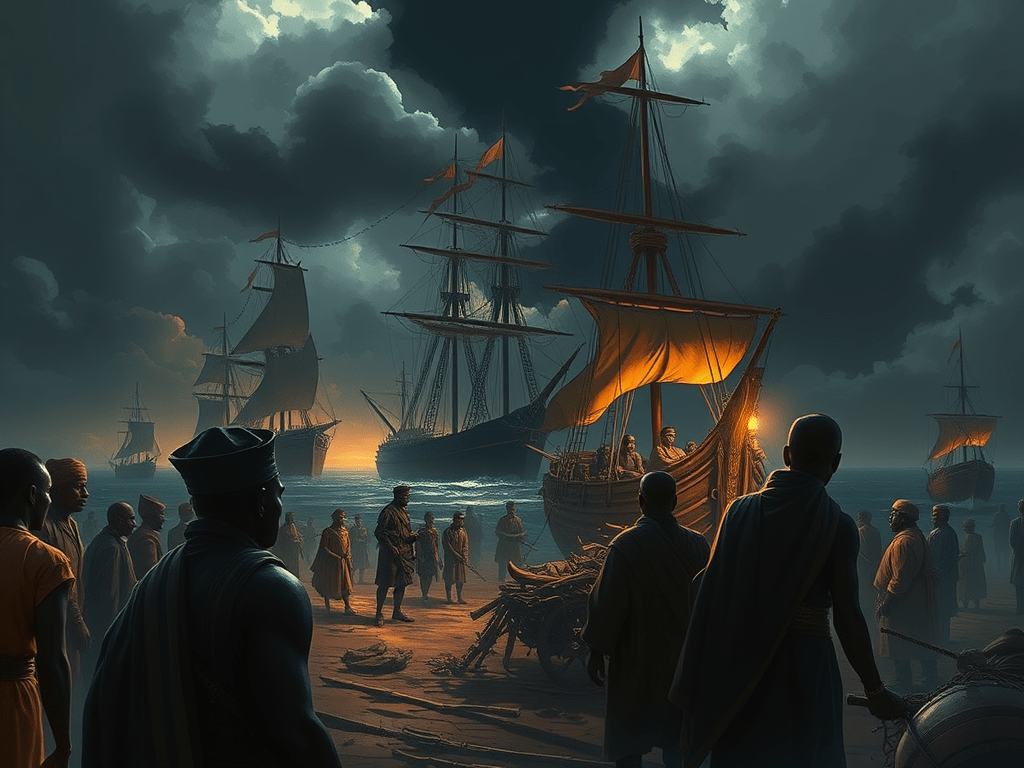
The triangular trade system epitomized Africa’s economic exploitation. European merchants exchanged low-cost manufactured goods for enslaved Africans, who were forcibly transported across the Atlantic to labor on plantations. The commodities they produced—sugar, cotton, and tobacco—were shipped to Europe, generating immense wealth.
While Europe reaped the rewards of industrial and infrastructural advancements funded by this trade, Africa was left impoverished. The removal of millions of its people not only decimated populations but also dismantled local economies and disrupted societal structures. African communities were deprived of the human capital necessary for economic development, while Europe’s prosperity soared.
Financing Industrialization: Africa’s Invisible Hand
The Industrial Revolution, a cornerstone of modern capitalism, was built on wealth extracted through slavery. Historian Eric Williams highlighted how profits from the transatlantic slave trade provided the capital needed for Britain’s industrial growth. These funds financed factories, infrastructure, and technological innovation.
However, Africa saw no return on its forced investment. The continent’s role as the primary supplier of enslaved labor laid the foundation for Europe’s industrial dominance, yet it was excluded from the resulting economic benefits. While British cities like Manchester and Liverpool flourished, African societies struggled to rebuild from the loss of their people and resources.
Banking on Africa’s Exploitation
Europe’s banking sector expanded significantly due to profits from the transatlantic slave trade. Banks provided credit and loans to slave traders and plantation owners, using the wealth generated to fund new ventures and colonial expansion.
Barclays and Lloyds in Britain profited directly from investments in slavery. French institutions such as Banque de France and Crédit Lyonnais grew through colonial revenues. Dutch banks like the Amsterdamsche Bank financed slave voyages and plantations. Yet, none of this wealth was reinvested in Africa. Instead, it bolstered European financial systems, creating a legacy of economic disparity.
Insuring Injustice: The Role of Insurance Companies
Marine insurance companies facilitated the transatlantic slave trade by reducing financial risks for traders. Lloyd’s of London insured ships carrying enslaved Africans, ensuring traders could recover losses from rebellions or shipwrecks. French and Dutch insurers played similar roles, enabling the continued profitability of the trade.
These companies built their wealth on the backs of Africa’s suffering. The insurance industry’s growth was another example of how Africa financed Europe’s prosperity while remaining economically excluded.
Academic Institutions: Advancing Knowledge, Perpetuating Exploitation
Europe’s universities benefited from slavery-derived wealth. Endowments from profits financed scholarships, research, and infrastructure at institutions like Oxford, Cambridge, and UCL in England, as well as the Sorbonne in France and Leiden in the Netherlands.
These institutions produced knowledge that often justified colonial and racial exploitation. Disciplines like anthropology and economics were developed with frameworks that dehumanized Africans and rationalized their subjugation. Africa’s contributions to these advancements were erased, and its intellectual and cultural losses were ignored.
Africa’s Loss: Economic and Social Devastation
The removal of millions of Africans through slavery had catastrophic effects on the continent. Societies were destabilized, economies collapsed, and inter-community trust eroded. Traditional industries, such as agriculture and crafts, were disrupted, leaving African nations ill-equipped to compete in the global economy.
Meanwhile, the wealth extracted from Africa enriched Europe and the Americas, enabling them to dominate global trade and finance. The disparity in development—created by centuries of exploitation—continues to define the modern world.
Reparations: A Path Toward Justice
Reparations are essential to address the enduring consequences of slavery. For Africa, this means investment in infrastructure, education, and healthcare to repair the damage caused by centuries of exploitation. For Afro-descendant communities in the diaspora, reparations can take the form of economic programs, cultural preservation initiatives, and legal recognition of historical injustices.
Reparations are not merely about monetary compensation; they are about restoring dignity and providing opportunities for the communities most affected by slavery’s legacy. They represent a commitment to justice and a step toward rectifying historical wrongs.
Moving Forward: Building a More Equitable Future
Recognizing Africa’s role in financing global capitalism is crucial for creating a fairer world. Acknowledging this history allows us to challenge the structures of inequality that persist today. Reparative actions—from policy changes to educational initiatives—are necessary to ensure that Africa and its diaspora can share in the prosperity they helped create.
Conclusion
Africa’s people financed the rise of global capitalism, yet they were excluded from its benefits and left to grapple with its devastating consequences. The transatlantic slave trade enriched Europe while impoverishing Africa, creating a legacy of inequality that endures. Reparations for Afro-descendant communities in Africa and its diaspora are not only justified but essential for building a more just and equitable future.
 Black Matters Project Blog
Leave a comment